
Sanitation tells the Council it will clear 20,000 priority corners first after a storm. The plow-data bill was laid over
At Monday's pre-winter hearing, the department said it still needs more emergency shovelers to sign up. On Int. 1042, officials said publishing plow history is feasible but would take development time and money.
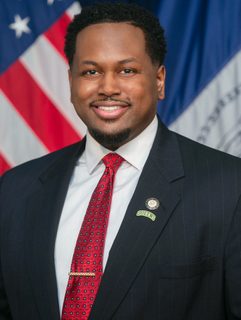
The Sanitation Department told the Council on Monday that after the next big storm it will send shovelers and equipment first to about 20,000 high-priority street corners and to unsheltered bus stops, an attempt to avoid a repeat of last winter, when crosswalks and curb ramps stayed buried for days after streets were plowed. The pre-winter oversight hearing of the Committee on Sanitation and Solid Waste Management, chaired by Justin E. Sanchez, was the session the department had asked for in June, before the first snowfall rather than after it. Video and a transcript are now on our meeting page; we found no published news account of the testimony.
Why it matters to residents: property owners are still responsible for their own sidewalks, but the city's own crews decide which corners, crosswalks and bus stops get cleared first, and in what order. Federal forecasters expect a warmer-than-average winter, but meteorologists say a major storm is still possible, Gothamist reported in its preview.
Advertisement
What the department said
Which corners come first. A department official said corners within 200 feet of a bus or subway stop, corners in the top three tiers of the Transportation Department's pedestrian ranking and corners with accessible pedestrian signals will be prioritized, about 20,000 in all (17:38). The department is also working with the Mayor's Office for People with Disabilities and the Department for the Aging to add areas where many residents rely on mobility devices. In mild weather after a storm, the official said, crews could reach those corners "within a day, or two"; in prolonged extreme cold it would take longer (40:03).
A workforce still being built. Asked about response times, the official said the larger corps of emergency snow shovelers is "one that we are still working to build," and asked members and community leaders to help get more people preregistered (21:00). The department raised shoveler pay to $30 an hour (35:01) and listed 120 new plows, more than 100 skid steers and 47 bike lane plows (36:09). The official said 311 guidance describing bike lanes as cleared only after streets "is clearly out of date" (23:00).
Fines and owners. The department issued more than 19,000 violations to property owners over last winter's two storms and "probably could have issued another hundred thousand more" with more resources, the official said (29:44). Fines run $100 to $250 (52:53). The city offers no program to clear sidewalks for older or disabled homeowners; it points community groups to volunteer networks, officials said.
Advertisement
Members pressed on crosswalks and bridges. Lincoln Restler said that last winter streets in his district were clear for cars while intersections stayed impassable, and asked about sidewalk-clearing machines like Montreal's. The official said clearing more than 800,000 properties citywide would take enormous resources (39:05). Restler also said that in five years he has had to shovel pedestrian bridges in his district himself.
The plow-data bill
Int. 1042, from Ty Hankerson, would require GPS on all plows and an online map of current and historical plowing data. Hankerson asked why residents can't see the history the department keeps. The official said the department is "open to" it, that it is "technologically feasible" and that it is a question of development resources and time (36:27). The Council Finance Division's fiscal impact statement estimates no cost, saying agencies would use existing resources; the mayor's budget office gave no estimate. A disability rights witness said the bill should be amended to track blocked curb cuts and crosswalks (1:27:19). The committee laid the bill over with no vote. It has 14 sponsors.
Other snow bills were not on the agenda. None of these has had a hearing:
- Int. 1081, from Shahana K. Hanif, would set a seven-hour deadline to clear a bus stop after repeated complaints from riders with disabilities (40 days waiting).
- Int. 1150, from Chi A. Ossé, would let Sanitation hire 16- and 17-year-olds as emergency shovelers (12 days).
- Int. 855, from Susan Zhuang, would help seniors and people with disabilities clear sidewalks and cut their fines (201 days).
- Int. 868, from Simcha Felder, would bar sidewalk fines until the city finishes its own snow work (187 days).
- Int. 172, from Eric Dinowitz, would route 311 requests for pedestrian bridges (278 days).
What's next
Int. 1042 needs a committee vote before it can reach the full Council, which next meets Nov. 12. Our preview covers what members raised after last winter.