
The city's community hiring program counts 1,200 hires. Council members want to see the rest of the numbers
At a Workforce Development hearing, Chair Julie Won said the city's own reports skip how many people were hired. Officials said 528 contracts now carry goals, and the office has 8 of 16 staff.
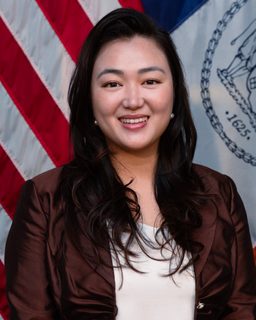
The city's community hiring program is supposed to steer jobs on city contracts to people from low-income neighborhoods, NYCHA residents and others who need the work. At a City Council hearing Tuesday, the program's leaders said about 1,200 people have been hired under it so far. Council members questioned why the city's own reports leave out much of what the law requires them to show.
Albany gave the city power in 2023 to set these hiring goals on city contracts. Rules took effect in January 2025, and the program is run by the Office of Community Hiring inside the Mayor's Office of Talent and Workforce Development. When the program launched, the previous administration projected 36,000 jobs a year once it was fully running.
Advertisement
Why it matters to residents: the city spends billions of dollars a year on contracts for construction and services. This program decides whether some of the jobs on those contracts go to people from the neighborhoods the city is trying to help.
What was said at the hearing
The chair's numbers. Workforce Development Chair Julie Won opened with the office's own latest quarterly report. She said it shows 179 contracts worth about $3 billion carrying a hiring goal, up from 60 contracts worth about $1 billion (transcript). But of 83 construction contracts, only eight reported any progress, and six of those were below the 30% goal. Some 94 service contracts reported no progress at all (transcript). She also flagged a Queens workforce contract that the report showed at more than 1,200% of its hiring goal. She said the reports never state how many people were actually hired, even though the law requires them to show who was hired and what they are paid (transcript).
The administration's numbers. The executive director of NYC Talent testified that 528 contracts, worth $13.3 billion, now carry community hiring goals, and that about 1,200 community hires are working for vendors so far. The office works with a network of 81 referral organizations, including unions and Workforce1 career centers (transcript). The director said the latest published report counted only 179 contracts because it covered an earlier quarter (transcript).
Advertisement
On the 36,000-job projection, the director did not give a new figure. The director said the estimate assumed every eligible contract had gone through the full procurement cycle (transcript).
Penalties haven't been used. The law allows financial penalties for vendors that don't make "best efforts." The director said the city is prepared to use them but has not needed to yet, since many contracts are early in their terms (transcript).
Half the staff positions are filled. Asked about staffing, officials said the Office of Community Hiring is a team of eight against 16 budgeted positions (transcript).
Advertisement
Members pressed on the hiring hall. Council members said constituents had waited hours at city hiring events without meeting anyone, and asked for a list of the 528 contracts and the jobs they could offer (transcript). Members Harvey D. Epstein, Tiffany L. Cabán and Phil Wong also asked questions, according to the meeting record.
What our records add
No legislation was on the agenda. The hearing was oversight only, and nothing was voted on. We found no pending Council bill that would change community hiring reporting.
Related contracting bills are waiting. The Contracts Committee has several bills on who wins city work. Int. 1147, from Farah N. Louis, introduced Oct. 22, would require the city to publish the data behind its minority- and women-owned business disparity studies. Int. 834, from Lincoln Restler, would require reporting on minority- and women-owned subcontractors on human services contracts. It has been pending since April 16. Res. 694, from Shekar Krishnan, asks the MTA to include "good jobs" standards in its next subway car contract.
What's next
The office's next quarterly report should be the first to show the larger set of 528 contracts. Won said she would follow up in writing. The office has published past quarterly reports on its news page.